Our team is highly trained and experienced in servicing and producing all types of steel supplies. Need help or have a question?
sales@abrasionresistantpipe.com
Tel.: +8621-3378-0199
Our team is highly trained and experienced in servicing and producing all types of steel supplies. Need help or have a question?
sales@abrasionresistantpipe.com
Tel.: +8621-3378-0199

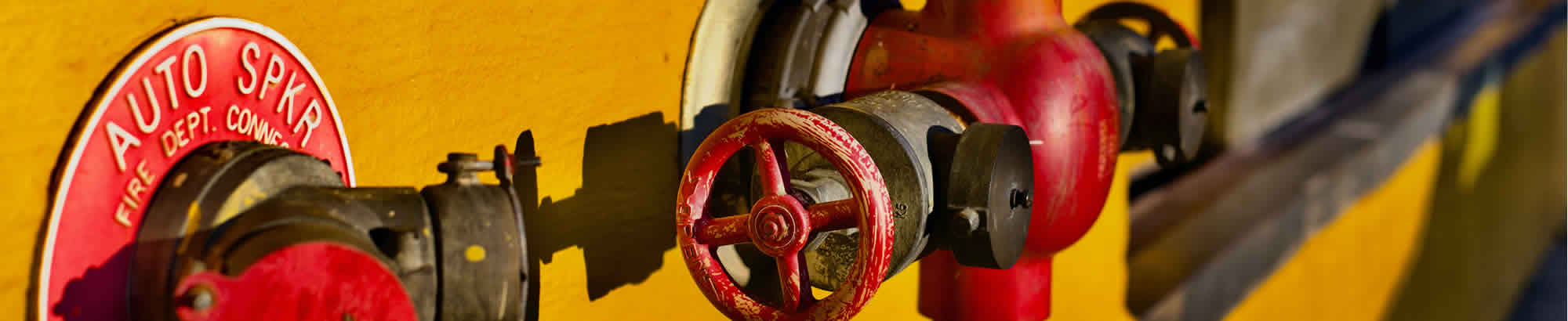
Check valves are generally installed in pipelines to prevent backflow. A check valve is basically a one-way valve, in which the flow can run freely one way, but if the flow turns, the valve will close to protect the piping, other valves, pumps etc.
[products limit=”24″ columns=”3″ category=”Check Valve”]
Check valves are generally installed in pipelines to prevent backflow. A check valve is basically a one-way valve, in which the flow can run freely one way, but if the flow turns, the valve will close to protect the piping, other valves, pumps etc.
Check valves use a hinged plug that allows water to pass through the pipeline but blocks it from coming back. Backflow preventers, on the other hand, apply an increased amount of pressure on a pipe to ensure the water can only flow one way.
Most common types of Check valves are swing, lift (piston and ball), butterfly, stop and tilting-disk.
A basic swing Check valve consists of a valve body, a bonnet, and a disk that is connected to a hinge. The disk swings away from the valve-seat to allow flow in the forward direction, and returns to valve-seat when upstream flow is stopped, to prevent backflow.
The disc in a swing type Check valve is unguided as it fully opens or closes. There are many disk and seat designs available, in order to meet the requirements of different applications. The valve allows full, unobstructed flow and automatically closes as pressure decreases. These valves are fully closed when flow reaches zero, in order to prevent backflow. Turbulence and pressure drop in the valve are very low.
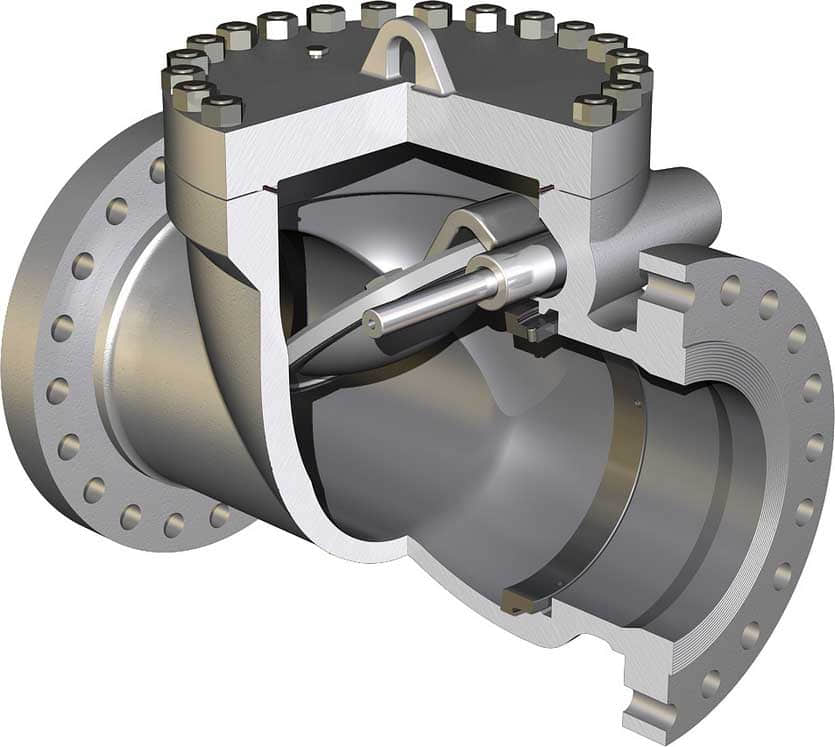
The seat design of a lift-Check valve is similar to a Globe valve. The disc is usually in the form of a piston or a ball.
Lift Check valves are particularly suitable for high-pressure service where velocity of flow is high. In lift Check valves, the disc is precisely guided and fits perfectly into the dashpot. Lift Check valves are suitable for installation in horizontal or vertical pipe-lines with upward flow.
Flow to lift Check valves must always enter below the seat. As the flow enters, the piston or ball is raised within guides from the seat by the pressure of the upward flow. When the flow stops or reverses, the piston or ball is forced onto the seat of the valve by both the backflow and gravity.
It’s no secret that backflow is one of the most prevalent threats to the purity of our local water supply. Not only can contamination happen everywhere, but it can happen at any time if your plumbing system isn’t set up to prevent it. As such, business professionals, school administrators, and homeowners are all setting out to stop this occurrence and protect the quality of their drinking water. However, this process often comes with confusion regarding what equipment they should use for the job. This article covers the difference between backflow preventers and check valves.
Though backflow preventers and check valves have the same overall function, they both work slightly differently. Check valves use a hinged plug that allows water to pass through the pipeline but blocks it from coming back. Backflow preventers, on the other hand, apply an increased amount of pressure on a pipe to ensure the water can only flow one way.
Backflow systems are generally more effective at keeping wastewater flowing in the correct manner because they’re highly pressurized. They also have several additional fail-safes that further protect our more sensitive drinking water sources. Check valves have a decent amount of reliability. However, they can fail under the right conditions and contaminate certain supplies with sewer water.
The increased reliability of backflow preventers makes them the preferred choice of anyone who needs to protect sources of drinking water, irrigation, or sprinkler systems. Check valves, then, are applicable in low-hazard situations for cross-contamination
Our Valves materials can be the following grade, another grade is also available on request.
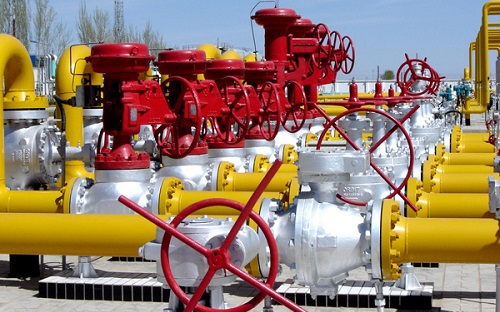
Valves are found in virtually every industrial process, including water and sewage processing, mining, power generation, processing of oil, gas and petroleum, food manufacturing, chemical and plastic manufacturing and many other fields.
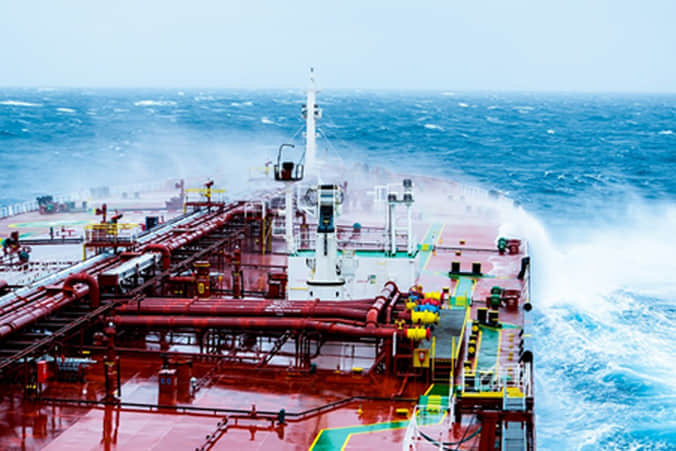
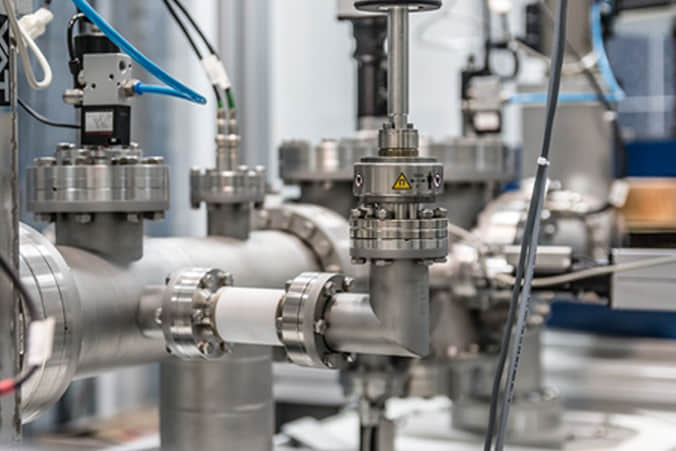
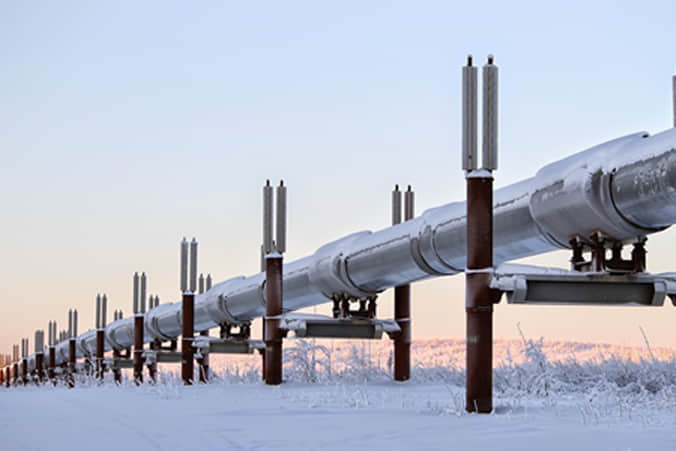
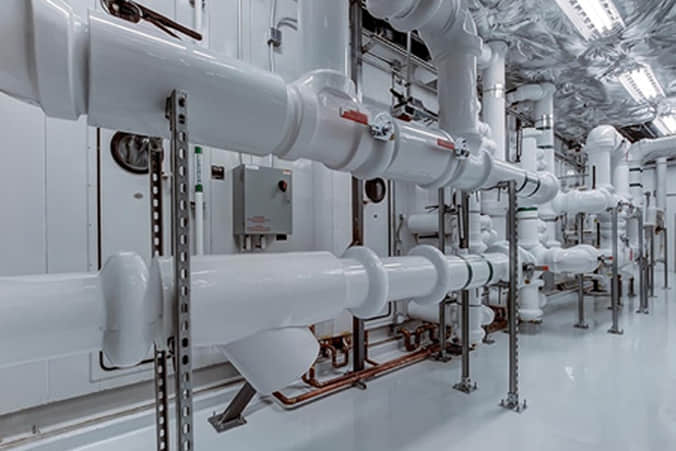
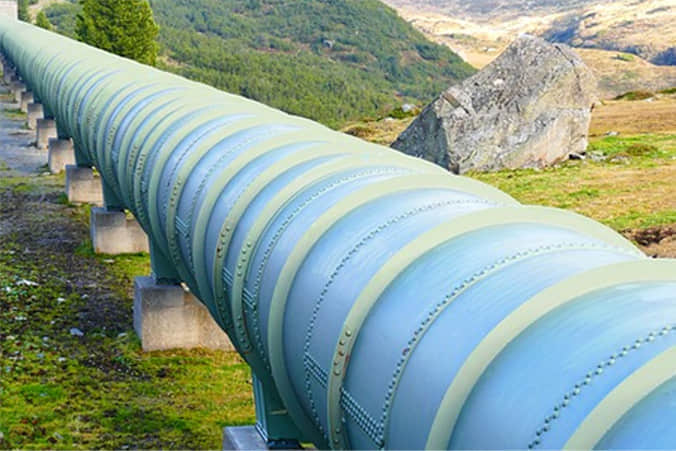
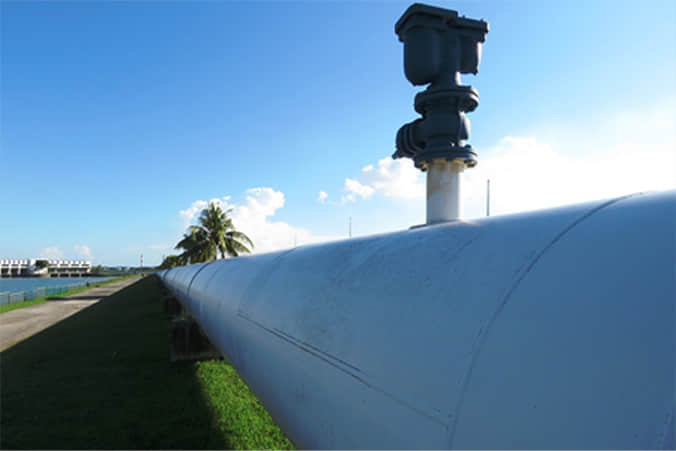
A valve can be described as a mechanism that controls the passage of liquids through a pipe. Research states that valves being manufactured in China are amongst the top valve competitors in the valve industry.
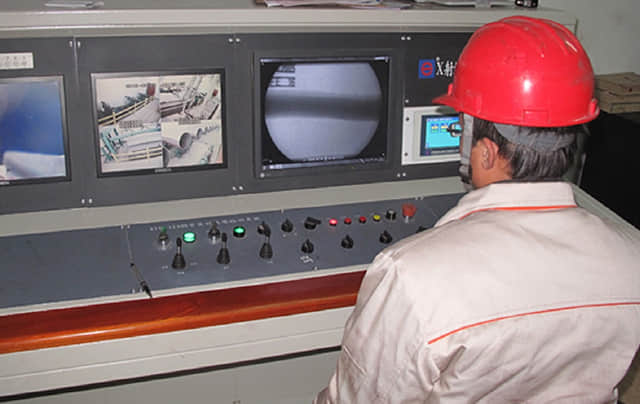
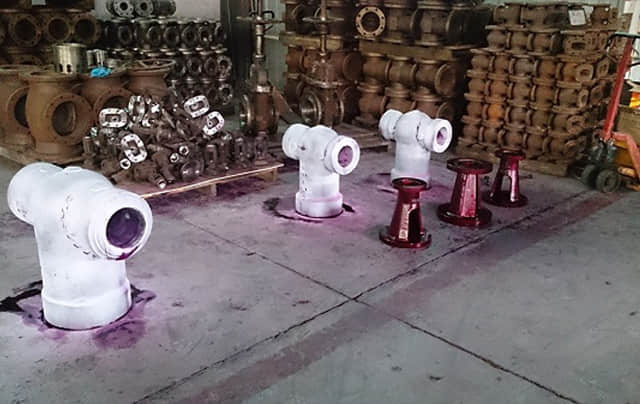
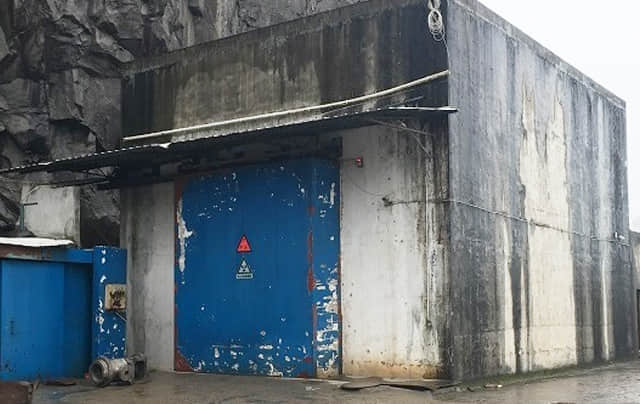
Radiography Inspection guarantees no failures inside of the castings or forgings. Ultrasonic inspection acts an alternative of inspection. Dye penetrant testing and magnetic particle testing can examine surface failures on castings and forgings.
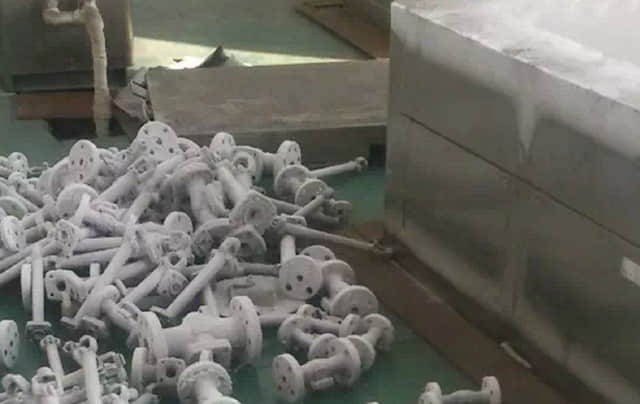
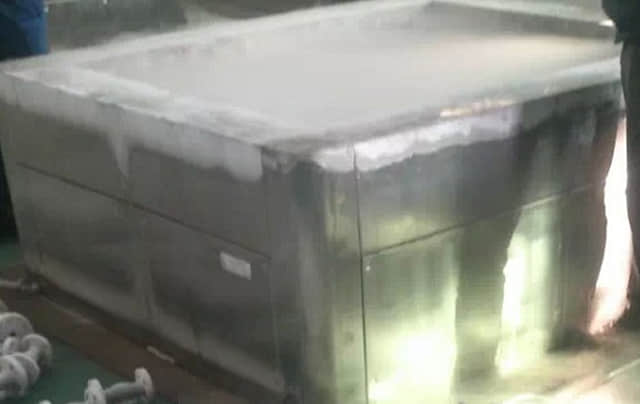
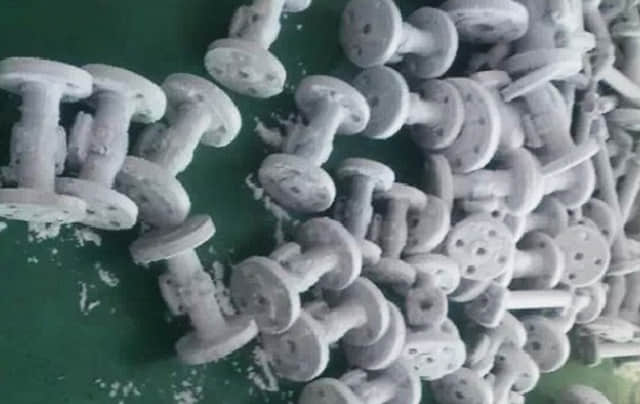
-196 ℃ Cryogenic Treatment System is a basic treatment for LNG usage valves or similiar applications.
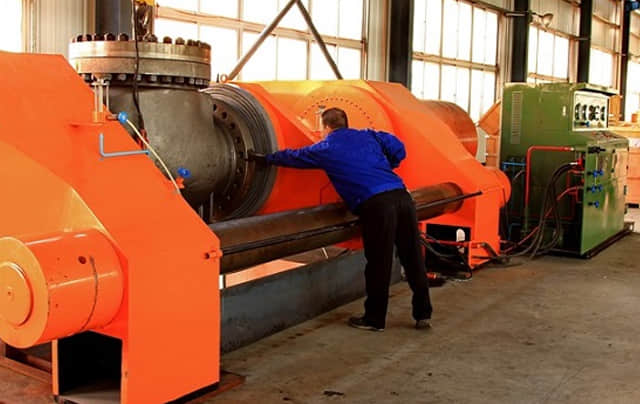
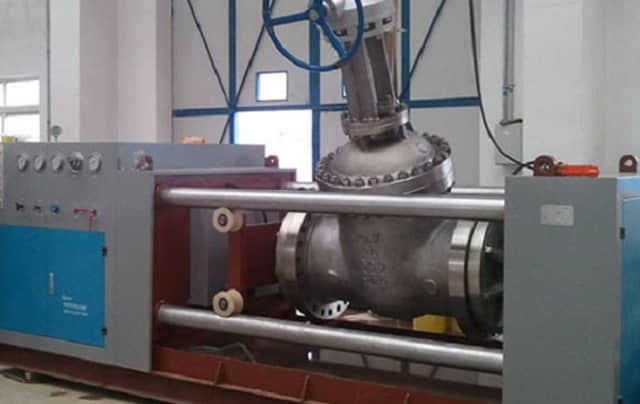
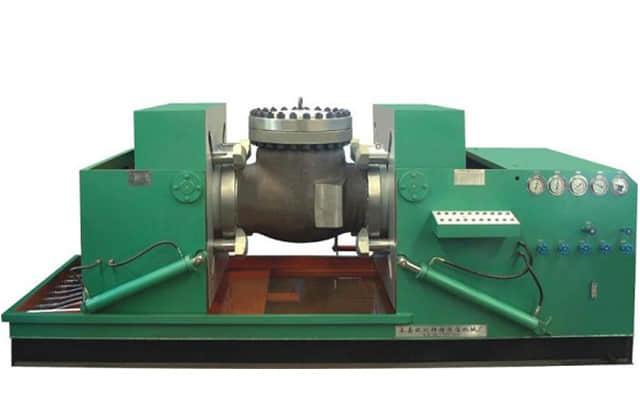
Leak testing is a procedure that inspectors use to determine whether an object or system is functioning within a specific leak limit.
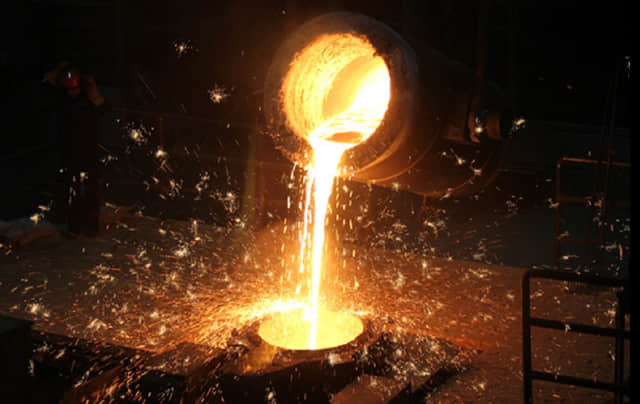
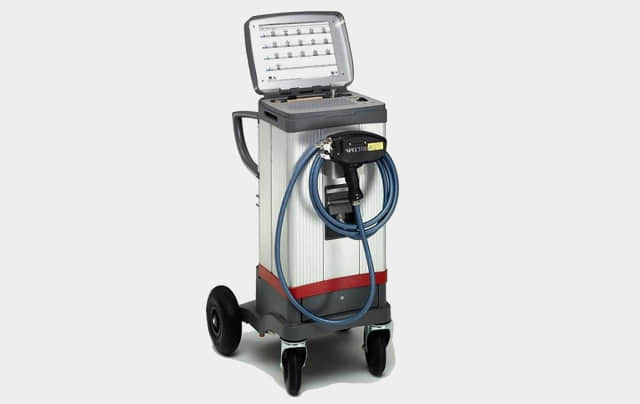
All our materials are strictly made under supervision of ladle analysis instrument in the foundries and inspected by high precision spectroanalysis instrument when they arrive in our plant.
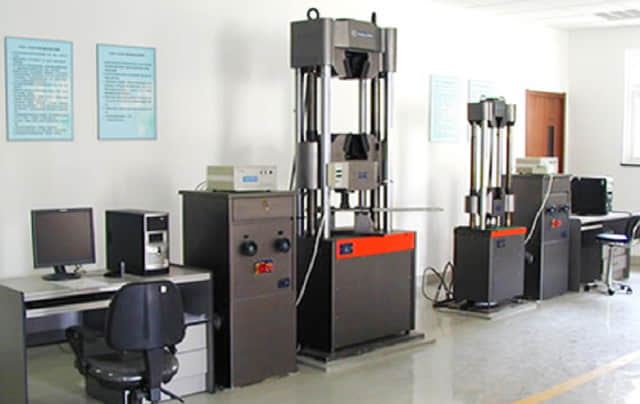
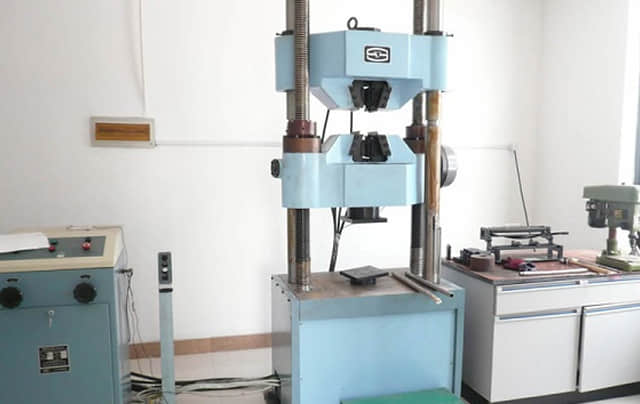
All mechanical properties test will act before we use the materials to secure the performance and safety.
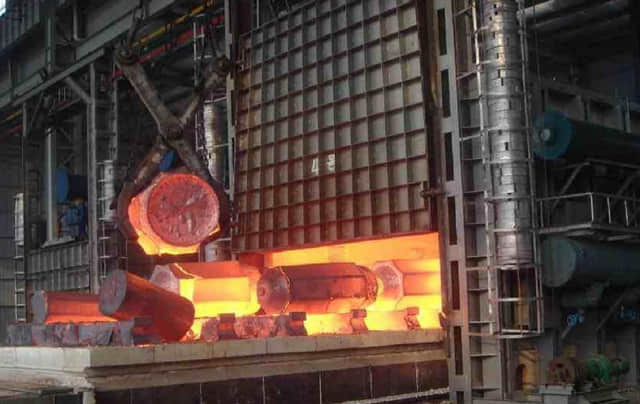
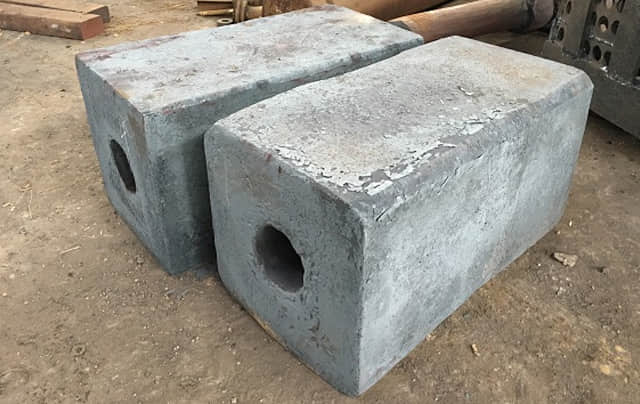
Up to 1200 ℃ electric furnance provide an availability of various heat treatment cycles.
[TABS_R id=1353]