Our team is highly trained and experienced in servicing and producing all types of steel supplies. Need help or have a question?
sales@abrasionresistantpipe.com
Tel.: +8621-3378-0199
Our team is highly trained and experienced in servicing and producing all types of steel supplies. Need help or have a question?
sales@abrasionresistantpipe.com
Tel.: +8621-3378-0199

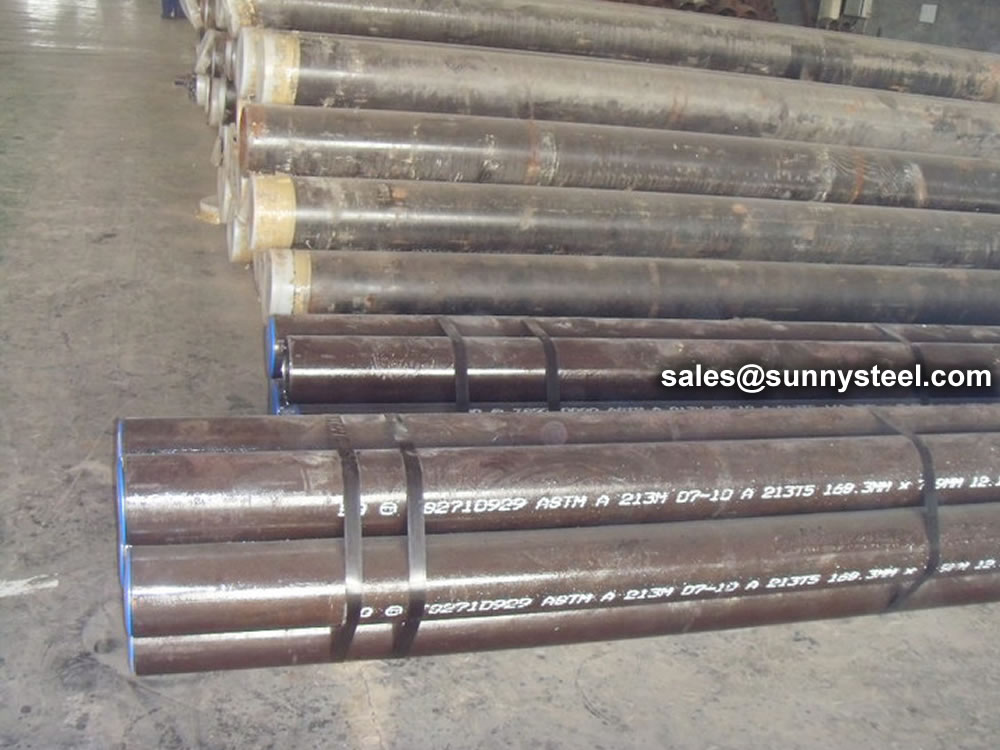
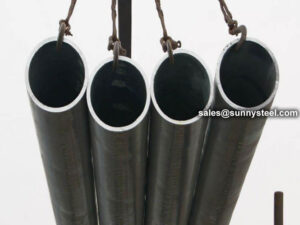
Alloy steel a213 T5 tubing is a type of heat-resistant tubing made up of chromium, molybdenum, and sometimes manganese or vanadium.
Alloy steel a213 T5 tubing is a type of heat-resistant tubing made up of chromium, molybdenum, and sometimes manganese or vanadium. This particular alloy has the highest chromium content than any other alloy steel in its class, giving it an extra layer of corrosion protection and impact resistance to handle higher temperatures and pressures. Its strength is further enhanced by nickel and nitrogen, symbiotically improving two pieces as one stronger whole. Alloy steel a213 T5 tubing is aesthetically pleasing; its metallic sheen is attractive yet still rugged. This type of heat-resistant tubing makes for an excellent addition to any assembly requiring the utmost performance precision.
A213 T5 Alloy steel tubing is an impact-resistant metal that can withstand high temperatures and significant pressure over extended periods. It is highly corrosion-resistant and can be welded easily, making it a great choice for many industrial applications. Its increased durability compared to other types of tubing makes it especially attractive for use in industrial furnaces, boilers, and steam components where useful life must remain at its optimum values. In addition, the alloy elements incorporated into A213 T5 improve hardness and tensile strength properties providing ultimate performance under extreme pressure and temperature values at low cost.
Grades containing the letter H in their designation have requirements different from those of similar grades not containing the letter H.
Sunny Steel offers outside diameters of 5/8″ through 1-1/2″, wall thicknesses from .049″ through .135″ and lengths from 6 feet to 60′ long. Please inquire about our bending and finning capabilities.
This abstract is a brief summary of the referenced standard. It is informational only and not an official part of the standard; the full text of the standard itself must be referred to for its use and application. ASTM does not give any warranty express or implied or make any representation that the contents of this abstract are accurate, complete or up to date.
| Grade | UNS Designation | C | Mn | P | S | Si | Nickel | Chromium | Molybdenum | Vana- | Boron | Niobium | Nitrogen | Aluminum | Tungsten |
|---|---|---|---|---|---|---|---|---|---|---|---|---|---|---|---|
| T2 | K11547 | 0.10–0.20 | 0.30–0.61 | 0.025 | 0.025B | 0.10–0.30 | ... | 0.50–0.81 | 0.44–0.65 | ... | ... | ... | ... | ... | ... |
| T5 | K41545 | 0.15 | 0.30–0.60 | 0.025 | 0.025 | 0.5 | ... | 4.00–6.00 | 0.45–0.65 | ... | ... | ... | ... | ... | ... |
| T5b | K51545 | 0.15 | 0.30–0.60 | 0.025 | 0.025 | 1.00–2.00 | ... | 4.00–6.00 | 0.45–0.65 | ... | ... | ... | ... | ... | ... |
| T5c | K41245 | 0.12 | 0.30–0.60 | 0.025 | 0.025 | 0.5 | ... | 4.00–6.00 | 0.45–0.65 | ... | ... | ... | ... | ... | ... |
| T9 | K90941 | 0.15 | 0.30–0.60 | 0.025 | 0.025 | 0.25–1.00 | ... | 8.00–10.00 | 0.90–1.10 | ... | ... | ... | ... | ... | ... |
| T11 | K11597 | 0.05–0.15 | 0.30–0.60 | 0.025 | 0.025 | 0.50–1.00 | ... | 1.00–1.50 | 0.44–0.65 | ... | ... | ... | ... | ... | ... |
| T12 | K11562 | 0.05–0.15 | 0.30–0.61 | 0.025 | 0.025B | 0.5 | ... | 0.80–1.25 | 0.44–0.65 | ... | ... | ... | ... | ... | ... |
| T17 | K12047 | 0.15–0.25 | 0.30–0.61 | 0.025 | 0.025 | 0.15–0.35 | ... | 0.80–1.25 | ... | 0.15 | ... | ... | ... | ... | ... |
| T21 | K31545 | 0.05–0.15 | 0.30–0.60 | 0.025 | 0.025 | 0.50–1.00 | ... | 2.65–3.35 | 0.80–1.06 | ... | ... | ... | ... | ... | ... |
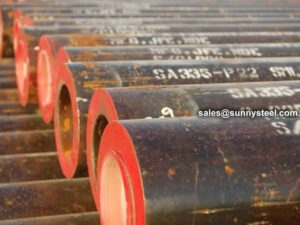
| T22 | K21590 | 0.05–0.15 | 0.30–0.60 | 0.025 | 0.025 | 0.5 | ... | 1.90–2.60 | 0.87–1.13 | ... | ... | ... | ... | ... | ... |
| T23 | K40712 | 0.04–0.10 | 0.10–0.60 | 0.03 | 0.01 | 0.5 | 0.4 | 1.90–2.60 | 0.05–0.30 | 0.20–0.30 | 0.0010–0.006 | 0.02–0.08 | 0.015 | 0.03 | 1.45–1.75 |
| T24 | K30736 | 0.05–0.10 | 0.30–0.70 | 0.02 | 0.01 | 0.15–0.45 | ... | 2.20–2.60 | 0.90–1.10 | 0.20–0.30 | 0.0015–0.007 | ... | 0.012 | 0.02 | ... |
| T36 | K21001 | 0.10–0.17 | 0.80–1.20 | 0.03 | 0.025 | 0.25–0.50 | 1.00–1.30 | 0.3 | 0.25–0.50 | 0.02 | ... | 0.015–0.045 | 0.02 | 0.05 | ... |
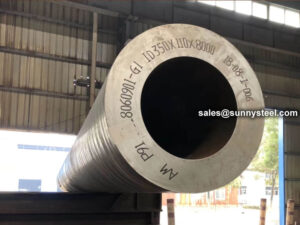
| T91 | K90901 | 0.07–0.14 | 0.30–0.60 | 0.02 | 0.01 | 0.20–0.50 | 0.4 | 8.0–9.5 | 0.85–1.05 | 0.18–0.25 | ... | 0.06–0.10 | 0.030–0.07 | 0.02 | ... |
| T92 | K92460 | 0.07–0.13 | 0.30–0.60 | 0.02 | 0.01 | 0.5 | 0.4 | 8.5–9.5 | 0.30–0.60 | 0.15–0.25 | 0.001–0.006 | 0.04–0.09 | 0.030–0.07 | 0.02 | 1.5–2.00 |
| T122 | K91271 | 0.07–0.14 | 0.7 | 0.02 | 0.01 | 0.5 | 0.5 | 10.0–11.5 | 0.25–0.60 | 0.15–0.30 | 0.0005–0.005 | 0.04–0.10 | 0.040– | 0.02 | 1.50–2.50 |
| T911 | K91061 | 0.09–0.13 | 0.30–0.60 | 0.02 | 0.01 | 0.10–0.50 | 0.4 | 8.5–9.5 | 0.90–1.10 | 0.18–0.25 | 0.0003–0.006 | 0.06–0.10 | 0.040–0.09 | 0.02 | 0.90–1.10 |
| Grade | Tensile strength (Mpa) | Yield point(Mpa) not less than | Elongation(%) not less than | Impact(J) not less than | Hardness not less than |
|---|---|---|---|---|---|
| A213 T2/SA213 T2 | ≥415 | 205 | " | 85HRB | |
| A213 T11/SA213 T11 | ≥415 | 205 | " | 85HRB | |
| A213 T22/SA213 T22 | ≥415 | 205 | " | 85HRB | |
| A213 T23/SA213 T23 | ≥510 | 400 | 20 | " | 97HRB |
| A213 T24/SA213 T24 | ≥585 | 415 | 20 | " | 25HRB |
| A213 T91/SA213 T91 | ≥585 | 415 | 20 | " | 25HRB |
| A213 T911/SA213 T911 | ≥620 | 440 | 20 | " | 25HRB |
| A213 T22/SA213 T92 | ≥620 | 440 | 20 | " | 25HRB |
| A213 T122/SA213 T122 | ≥620 | 400 | 20 | 25HRB | |
| TP304H | ≥515 | 205 | 35 | 90HRB | |
| TP316H | ≥515 | 205 | 35 | 90HRB | |
| TP321H | ≥515 | 205 | 35 | 90HRB | |
| TP347H | ≥515 | 205 | 35 | 90HRB | |
| S30432 | ≥590 | 235 | 35 | 95HRB | |
| TP310HCbN | ≥655 | 295 | 30 | 100HRB |
| NPS, inch | Outside Diameter(mm) | Wall Thickness(mm) | Max. Length(M) |
|---|---|---|---|
| 1/8 | 10,3 | 1,24; 1,73; 2,40 | 12 |
| 1/4 | 13,7 | 1,65; 2,24; 3,02 | |
| 3/8 | 17,1 | 1,65; 2,31; 3,20 | |
| 1/2 | 21,3 | 1,65; 2,11; 2,77; 3,73 | |
| 3/4 | 26,7 | 1,65; 2,11; 2,87; 3,91 | |
| 1 | 33,4 | 1,65; 2,77; 3,38; 4,55 | 10 |
| 1.25 | 42,4 | 1,65; 2,77; 3,56; 4,85 | |
| 1.5 | 48,3 | 2,77; 3,68; 5,08 | |
| 2 | 60,3 | 3,91; 5,54 | 7 |
| 2.5 | 73,0 | 5,16; 7,01 |
A213 is often called chrome moly tube because of the chemical makeup of Molybdenum (Mo) and Chromium (Cr). Molybdenum increases the strength of steel as well as the elastic limit, resistance to wear, impact qualities, and hardenability. Moly increases the resistance to softening, restrains grain growth and makes chromium steel less susceptible to embrittlement. Moly is the most effective single additive that increases high temperature creep strength. It also enhances the corrosion resistance of steel, and inhibits pitting. Chromium (or chrome) is the essential constituent of stainless steel. Any steel with 12% or more Chrome is considered stainless. Chrome is virtually irreplaceable in resisting oxidation at elevated temperatures. Chrome raises the tensile, yield, and hardness at room temperatures. The composition chrome moly alloy steel Pipe make it ideal for use in power plants, refineries, petro chemical plants, and oil field services where fluids and gases are transported at extremely high temperatures and pressures.
1.1 This specification covers seamless ferritic and austenitic steel boiler, superheater, and heat-exchanger tubes, designated Grades T91, TP304, etc. These steels are listed in Tables 1 and 2.
1.2 Grades containing the letter, H, in their designation, have requirements different from those of similar grades not containing the letter, H. These different requirements provide higher creep-rupture strength than normally achievable in similar grades without these different requirements.
1.3 The tubing sizes and thicknesses usually furnished to this specification are 1/8 in. [3.2 mm] in inside diameter to 5 in. [127 mm] in outside diameter and 0.015 to 0.500 in. [0.4 to 12.7 mm], inclusive, in minimum wall thickness or, if specified in the order, average wall thickness. Tubing having other diameters may be furnished, provided such tubes comply with all other requirements of this specification.
1.4 The values stated in either SI units or inch-pound units are to be regarded separately as standard. Within the text, the SI units are shown in brackets. The values stated in each system may not be exact equivalents; therefore, each system shall be used independently of the other. Combining values from the two systems may result in non-conformance with the standard. The inch-pound units shall apply unless the “M” designation of this specification is specified in the order.
TABLE 1 Chemical Composition Limits, %A, for Low Alloy SteelA Maximum, unless range or minimum is indicated. Where ellipses (…) appear in this table, there is no requirement, and analysis for the element need not be determined or reported.
B It is permissible to order T2 and T12 with a sulfur content of 0.045 max. See 16.3.
C Alternatively, in lieu of this ratio minimum, the material shall have a minimum hardness of 275 HV in the hardened condition, defined as after austenitizing and cooling to room temperature but prior to tempering. Hardness testing shall be performed at mid-thickness of the product. Hardness test frequency shall be two samples of product per heat treatment lot and the hardness testing results shall be reported on the material test report.
Referenced Documents (purchase separately)
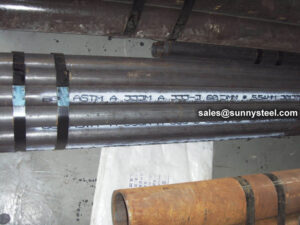
ASME SA 213 Grade T5 Alloy Steel Seamless Tubes are minimum-wall-thickness, seamless ferritic and austenitic steel, boiler and superheater tubes and austenitic steel heat-exchanger tubes, designated Grades T5, T11,T22,T91 etc. The tubing sizes and thicknesses usually furnished to ASME SA 213 Grade T5 specification are 1-8 in. [3.2 mm] in inside diameter to 5 in. [127 mm] in outside diameter and 0.015 to 0.500 in. [0.4 to 12.7 mm], inclusive, in minimum wall thickness. SA 213 Tubes having other dimensions may be furnished & provided such tubes comply with all other requirements of this specification.
Wall Thickness : the minimum wall thickness at any point or end on ASME SA 213 pipes and tubes shall not be greater than 12.5% under the nominal thickness specified.
Inner Diameter: For pipe ordered in inside diameter, the inside diameter shall not vary more than ñ 1% from the required/specified inside diameter.